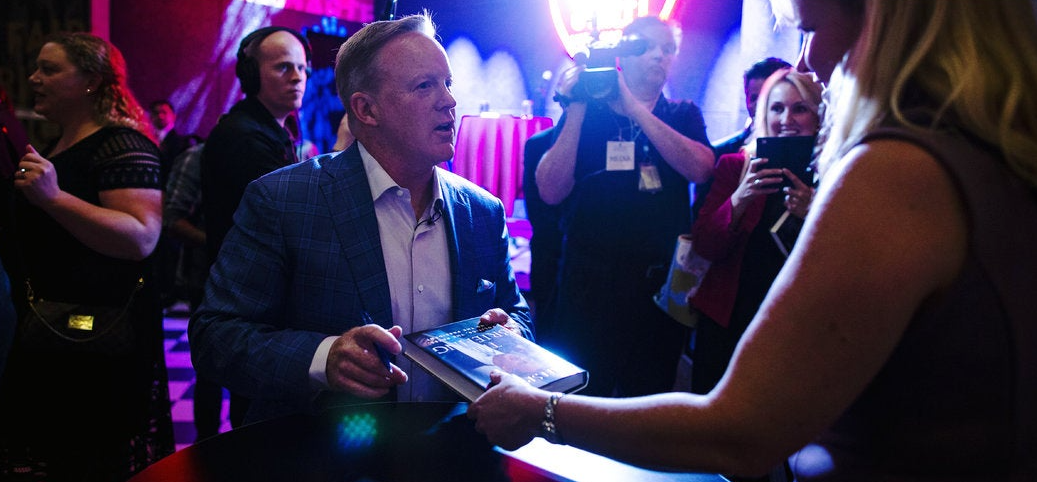
Los Angeles — Former White House press secretary Sean Spicer has broken his silence on the infamous BBC interview that sparked public criticism and media attention. Addressing the episode for the first time in his recent media tour, Spicer described the segment as “extreme” and “outlandish,” but added that it offered valuable lessons in communication and credibility.
Spicer said the interview took place during a period of intense pressure and rapid change, and he admitted that some of his responses were shaped by the environment rather than a clear strategy. He acknowledged that while certain statements made during the exchange were defensible at the time, others failed to hold up under broader scrutiny.
“It was an extreme moment in a chaotic setting,” Spicer said in a televised sit-down. “Looking back, I see where I could have framed things differently, approached things more carefully. But calling it out as outlandish? I understand why people felt that way.”
He emphasized that the experience changed his view of media relations and underscored the importance of preparation, tone and transparency. Spicer said the interview prompted him to re-examine how public officials communicate under pressure and how messages get interpreted.
While critics view the original interview as a symbol of the early troubles in the administration’s relationship with the press corps, Spicer today offers a more reflective perspective — recognizing the missteps while defending his broader record of service.
“I made mistakes, no doubt,” he said calmly. “But I also learned that context matters, impact matters, and clarity matters. That interview will always be part of my story. What I want now is to show what came after it.”
As Spicer moves into more frequent public appearances and media roles, the interview remains a defining moment in his career. He says he hopes to use the episode to help others understand the challenges of navigating high-stakes communications rather than allow it to define him entirely.