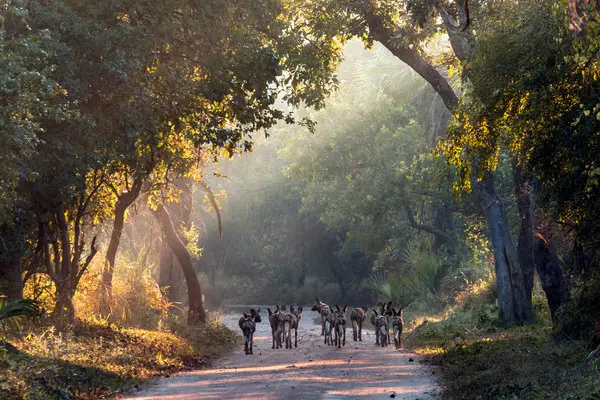
Gorongosa National Park, Mozambique — In the heart of central Mozambique, an ambitious conservation project is transforming a once-devastated landscape into one of Africa’s most promising models for ecological restoration. Decades after civil war and poaching nearly erased the park’s wildlife, Gorongosa is emerging as a living laboratory for nature’s renewal — and a symbol of what long-term commitment can achieve.
The park, which spans more than 1,500 square miles, is home to an array of ecosystems including grasslands, wetlands, and rainforests. During the country’s 15-year civil conflict, its animal populations were decimated as soldiers and civilians hunted for survival. By the early 2000s, Gorongosa was a shell of its former self.
Today, thanks to a unique partnership between the Mozambican government and international conservationists, life is returning. Herds of elephants, antelopes, and buffalo once again roam the plains. Predators such as lions and wild dogs are being reintroduced, while research programs are studying everything from soil health to the effects of reforestation on biodiversity.
At the center of the effort is a focus on community involvement. Thousands of local residents are employed in conservation, education, and eco-tourism. New schools and health clinics have been built around the park, ensuring that economic and environmental recovery progress hand in hand. “When people benefit from nature, they protect it,” said one park official.
Scientists describe Gorongosa as a rare chance to observe ecosystem recovery in real time. Studies conducted there are helping researchers understand how tropical landscapes bounce back from human conflict and climate stress — knowledge that could inform restoration projects worldwide.
Despite ongoing challenges, including limited funding and the pressures of development, Gorongosa’s resurgence offers hope. What was once a war-torn wilderness is now a thriving refuge and a testament to resilience — proof that with patience, science, and cooperation, even the most damaged environments can heal.