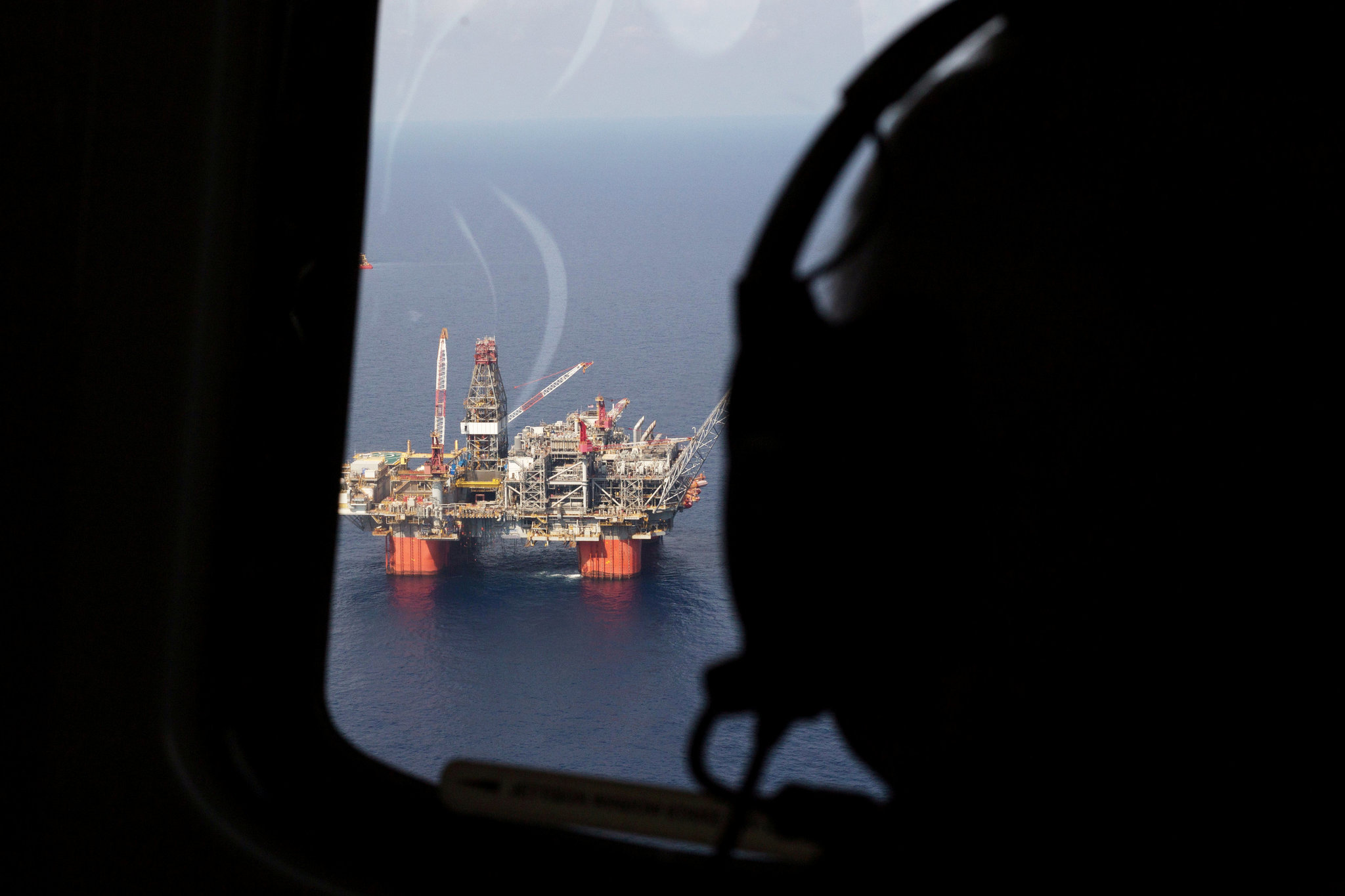
London — BP has announced a $10.5 billion acquisition of U.S. shale assets from BHP Billiton, marking its largest deal since the 2010 Deepwater Horizon disaster and signaling the oil giant’s renewed confidence in the American energy market.
The purchase gives BP a major position in three prolific shale regions: the Permian Basin in Texas, the Eagle Ford in south Texas, and the Haynesville formation in Louisiana. The move is seen as a bold bet on the long-term profitability of U.S. shale production, even as global energy markets transition toward renewables.
BP Chief Executive Bob Dudley described the deal as a transformative moment for the company. “This is a major step in strengthening BP’s U.S. onshore portfolio,” he said in a statement. “It provides us with high-quality assets and positions us for growth well into the next decade.”
The acquisition, funded through a combination of cash and debt, marks a strategic return to expansion after years of retrenchment following the Deepwater Horizon spill, which cost the company more than $60 billion in fines, cleanup expenses, and settlements. Analysts said the move suggests BP believes the worst of its financial burden is behind it and that the company is ready to compete aggressively again in the North American market.
Industry observers view the deal as part of a broader trend among oil majors reentering the U.S. shale sector after years of letting independent producers dominate. The assets BP acquired from BHP are expected to immediately boost its oil and gas output, adding roughly 190,000 barrels of oil equivalent per day.
While the acquisition strengthens BP’s portfolio, it also comes at a time when investors are pressuring energy companies to balance short-term profits with long-term climate goals. BP has pledged to reduce carbon emissions and invest in cleaner energy sources, but this deal underscores its continued reliance on fossil fuels to drive growth.
For BP, the purchase represents both a business opportunity and a reputational test. Eight years after one of the worst environmental disasters in history, the company is once again making a multibillion-dollar bet on oil — hoping that this time, the story ends differently.