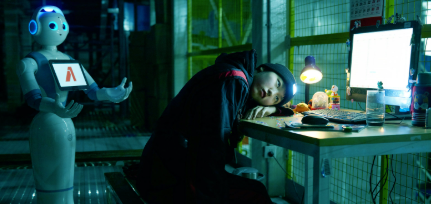
New York — In a dimly lit gallery filled with the hum of machinery and flickering light, visitors find themselves surrounded by mechanical figures that paint, write, and even converse. It’s the latest exhibition from multimedia artist Lila Mendoza, whose new installation blurs the line between human creation and artificial control.
Titled The Operators, the show imagines a world where artificial intelligence doesn’t just assist humanity — it quietly governs it. But as audiences explore the space, Mendoza’s work begins to feel less like a prediction and more like a mirror of life today.
Each piece features robots performing tasks once considered distinctly human: crafting poetry, producing news headlines, and composing music tailored to each visitor’s emotional state. The result is both mesmerizing and unsettling. Mendoza says her goal is not to condemn technology, but to challenge viewers to question who truly holds power in an algorithmic age.
“I wanted to capture that tension between fascination and fear,” Mendoza explained during the opening. “We already trust machines with our choices, our information, even our emotions. Maybe the robot-ruled future isn’t ahead of us — maybe we’re living in it.”
Critics have called The Operators one of the most thought-provoking exhibitions of the year, describing it as “a dialogue between art and automation.” The installation has sparked debates across social media about creativity, authorship, and whether technology has crossed the threshold from tool to authority.
Philosophers and technologists attending the show drew parallels between Mendoza’s work and real-world concerns over artificial intelligence in workplaces, politics, and personal lives. As AI systems increasingly influence decisions once made by people, Mendoza’s art asks whether humanity still controls the machines — or whether the machines have already started shaping us.
In the end, The Operators leaves visitors with an open question: if the future belongs to robots, how much of the present have we already surrendered?