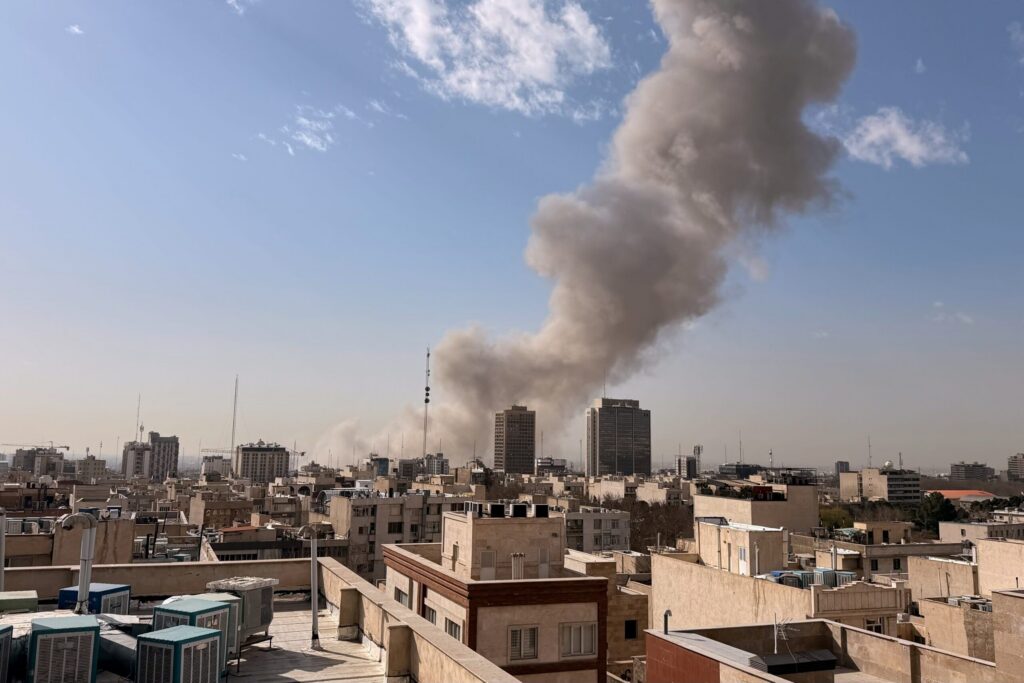
Washington — A series of coordinated airstrikes by Israel and the United States on Iranian targets has drawn global attention, not only for its geopolitical implications but for the technology reportedly used to carry them out. While officials have confirmed the strikes targeted strategic military infrastructure, details surrounding the planning and execution remain tightly controlled.
According to early reports, the operation relied in part on a newly developed artificial intelligence system designed to assist with rapid targeting and coordination. The software, referred to by officials only as “StrikeNet,” is said to process large volumes of surveillance and intelligence data to identify high-value targets and recommend strike timing. Beyond that, little verified information has been released.
Both U.S. and Israeli defense officials have declined to elaborate on the system’s capabilities, citing national security concerns. Privately, however, analysts suggest that tools like StrikeNet represent a growing shift toward AI-assisted warfare, where decision-making cycles are shortened and operational precision is increased.
The strikes themselves mark a significant escalation in tensions with Iran, which has condemned the attacks and warned of potential retaliation. Regional observers fear the involvement of advanced targeting systems could further complicate an already volatile situation, raising questions about accountability and oversight in AI-driven military actions.
For now, much about StrikeNet remains unknown. Governments have offered only broad assurances about its role, leaving experts and the public to speculate about how deeply artificial intelligence is shaping modern conflict—and what that could mean for future engagements.
As with past technological shifts in warfare, the emergence of AI-assisted operations introduces both strategic advantages and new uncertainties. Whether StrikeNet becomes a cornerstone of military planning or remains a shadowy tool used sparingly will likely depend on how this conflict—and the global response to it—unfolds.