San Diego — Chipmaker Qualcomm has officially abandoned its planned $44 billion acquisition of Dutch semiconductor firm NXP after failing to secure regulatory approval from Chinese authorities, marking one of the most prominent casualties of escalating trade tensions between the United States and China.
The deal, first announced in 2016, was intended to expand Qualcomm’s reach beyond smartphones into the automotive and industrial chip markets. However, despite receiving approval from eight of the nine global regulators required, China’s State Administration for Market Regulation failed to grant clearance before the deadline expired.
Qualcomm CEO Steve Mollenkopf confirmed the decision, saying the company had “exhausted every possible path to gain approval” but could no longer extend the agreement. “We are disappointed to have to terminate what would have been a transformative acquisition,” he said.
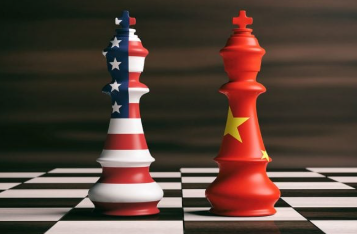
Analysts widely view the collapse as a direct consequence of the U.S.–China trade dispute, which has seen both nations impose tariffs and restrictions on high-tech industries. The impasse over the NXP deal highlighted how geopolitical rivalries can disrupt even large, long-negotiated corporate transactions.
Following the failed acquisition, Qualcomm announced a $30 billion stock buyback plan to reassure investors and strengthen share value. NXP shares fell modestly after the news, while Qualcomm’s stock rose slightly as markets welcomed the clarity after months of uncertainty.
The deal’s failure underscores the growing influence of international politics in global business decisions. For many industry watchers, it symbolizes how the trade war’s impact extends far beyond tariffs — shaping technology partnerships, supply chains, and investment strategies.
In the long term, Qualcomm is expected to focus on strengthening its position in 5G technology, where it remains a key player, while NXP will continue to expand its footprint in automotive and security chips independently. The outcome, experts say, serves as a cautionary tale for multinational firms navigating the increasingly politicized world of global trade and technology regulation.